Connections Between Incentive Structures and Participation Patterns in Handheld Interactive Entertainment Formats
Morgan Beck · May 27, 2026
Connections Between Incentive Structures and Participation Patterns in Handheld Interactive Entertainment Formats
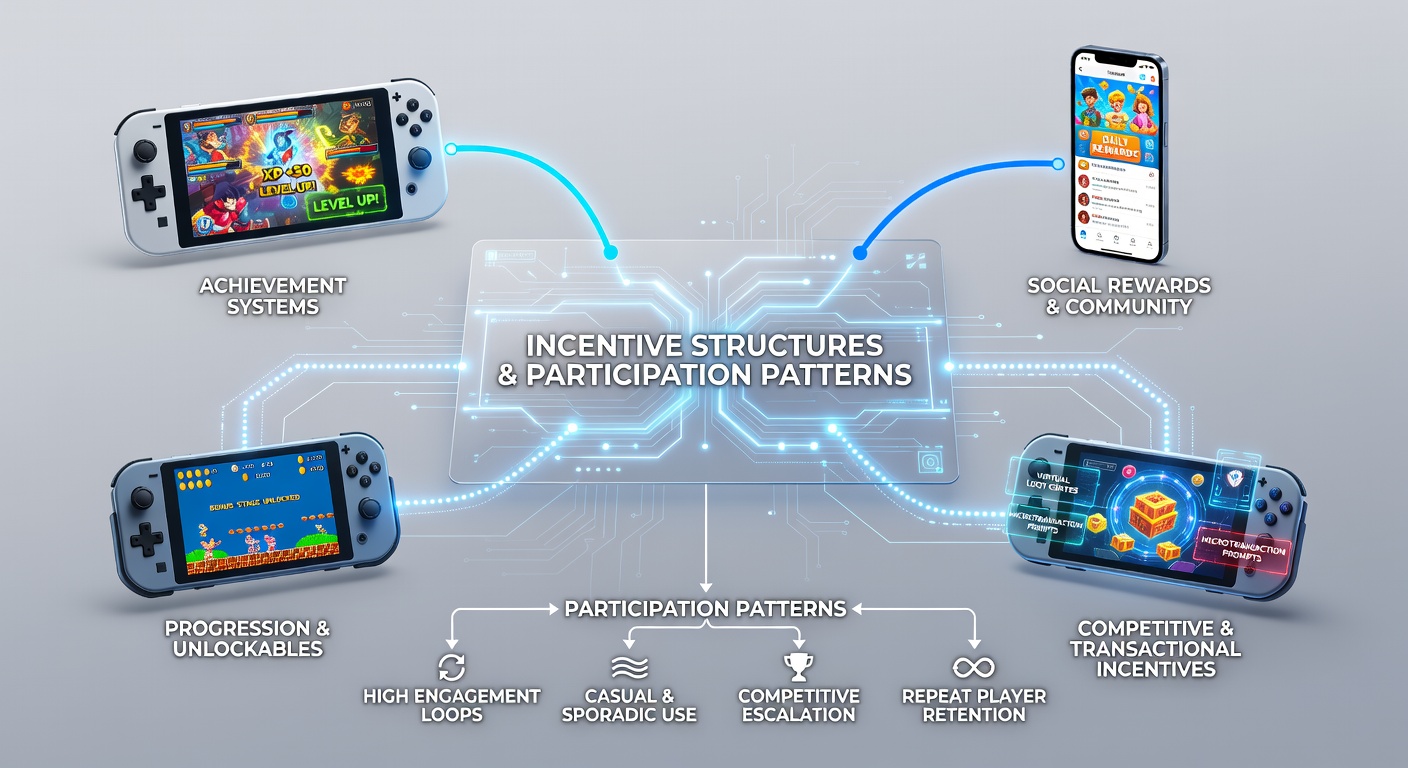
Handheld interactive entertainment formats encompass mobile games, augmented reality applications, and portable simulation platforms that users access through smartphones and tablets, and these systems rely on carefully designed incentive structures to shape how participants interact over time. Incentive structures include daily login rewards, achievement badges, progression tiers, and limited-time challenges, while participation patterns refer to measurable behaviors such as session frequency, duration, return rates, and social interaction levels. Data from industry tracking services shows that these elements connect directly through feedback loops where rewards trigger repeated access and sustained activity.
Core Components of Incentive Structures
Developers implement layered reward systems that operate on multiple timescales, with short-term incentives like instant point grants encouraging immediate logins and long-term mechanisms such as battle passes or seasonal events promoting multi-week commitments. Research from academic institutions indicates that variable reward schedules, similar to those studied in behavioral psychology, produce higher retention compared to fixed schedules because unpredictable outcomes maintain user curiosity across sessions. In May 2026 industry reports highlighted how handheld platforms integrated cross-device synchronization so that progress achieved on one device carried over seamlessly, thereby reducing friction and reinforcing consistent participation.
Observed Participation Patterns
Participation in handheld formats typically follows distinct cycles where initial downloads spike after promotional campaigns, followed by rapid drops unless incentives activate within the first 24 hours. Metrics compiled by entertainment research firms reveal that users who receive personalized challenges within the opening week demonstrate retention rates up to three times higher than those without such prompts. Patterns also include social clustering, where participants join groups or leaderboards to unlock shared bonuses, and geographic variations appear when location-based incentives align with real-world events such as festivals or holidays. These behaviors emerge consistently across different age demographics and device types.
Linkages Between Incentives and Engagement Data
Analyses of user telemetry demonstrate clear correlations where the introduction of tiered loyalty programs coincides with increased average session lengths and higher frequencies of daily returns. One study conducted by researchers at a major North American university tracked thousands of mobile game accounts and found that participants exposed to escalating reward multipliers spent 40 percent more time in-application over a three-month period compared to control groups. Similarly, figures released by the Interactive Games and Entertainment Association of Australia document how time-limited collaborative events drive spikes in concurrent users, with participation patterns shifting toward evening hours when group incentives activate. These connections operate through psychological reinforcement principles where completed tasks generate dopamine responses that encourage further interaction.
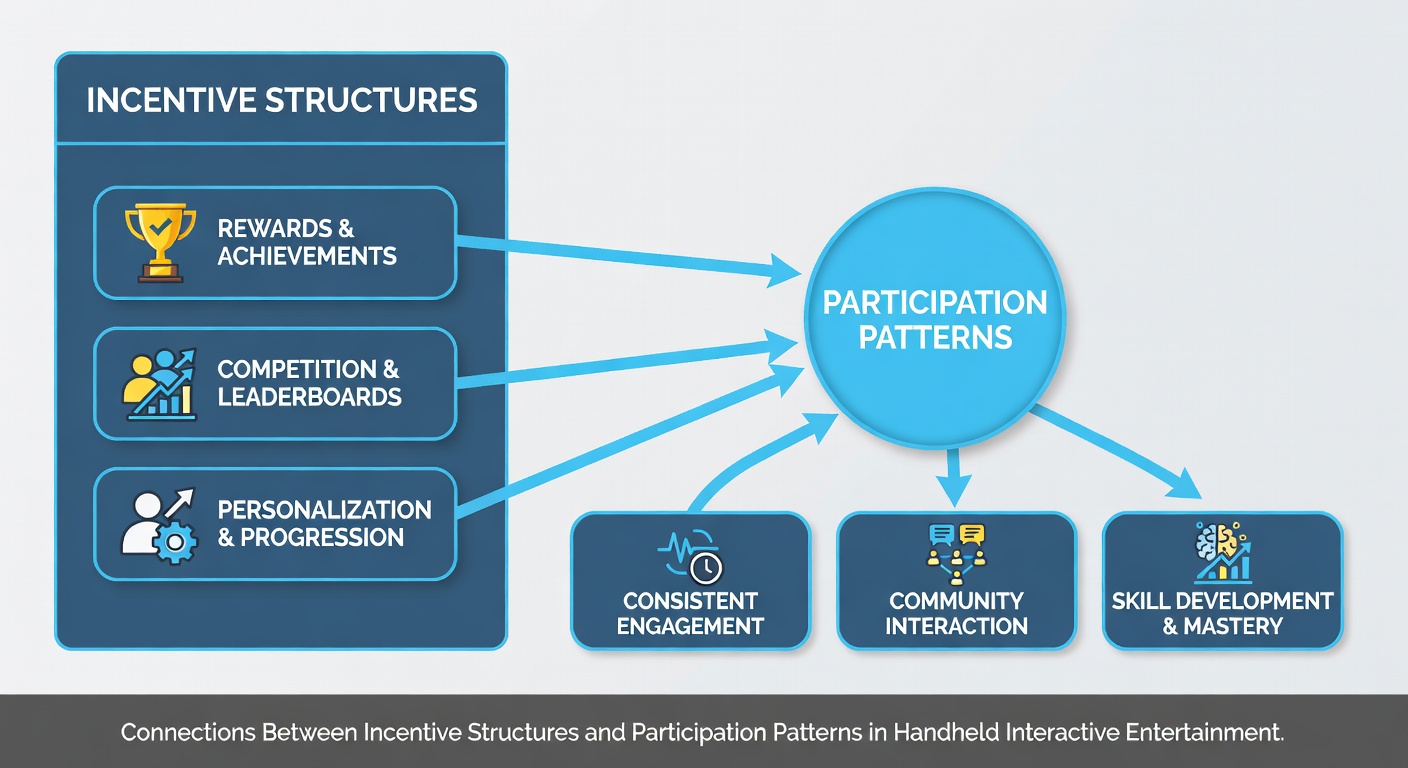
What's notable is how incentive timing affects churn rates, as participants who miss consecutive daily rewards often show accelerated disengagement unless recovery mechanisms such as streak protection intervene. European regulatory bodies tracking digital entertainment markets have recorded similar trends where subscription-based incentives stabilize long-term patterns by converting sporadic users into regular subscribers. The data indicates that successful structures balance accessibility with challenge so that both novice and experienced users find meaningful progression paths.
Regional and Platform Variations
Participation responses differ across regions because cultural preferences influence which incentives resonate most strongly, with Asian markets showing stronger engagement around competitive ranking systems while North American users respond more readily to narrative-driven rewards. Platform differences also matter, as iOS and Android ecosystems enforce distinct notification rules that affect how promptly users receive incentive alerts. Observers note that in May 2026 several major handheld titles updated their backend systems to comply with emerging data privacy standards, which in turn altered how personalized incentives could be delivered without compromising user consent.
Take one development team that adjusted its reward frequency based on aggregated participation logs and subsequently observed a measurable lift in weekly active users across multiple titles. Another instance involved a fitness-oriented handheld application that combined physical activity tracking with virtual item unlocks, resulting in sustained daily check-ins documented through public health partnership reports. These examples illustrate how empirical adjustments to incentive parameters translate into predictable shifts in user behavior patterns.
Conclusion
The relationships between incentive structures and participation patterns in handheld interactive entertainment continue to evolve as platforms collect finer-grained data and refine delivery mechanisms. Evidence from multiple sources confirms that well-calibrated rewards sustain engagement while poorly aligned ones accelerate drop-off, and ongoing monitoring remains essential for developers seeking stable user bases. As new handheld formats emerge, the same fundamental connections between designed incentives and resulting behaviors are expected to guide future design decisions across the sector.