Demographic Trends in Incentive Preferences for App-Based Progressive Accumulators and Real-Time Croupier Interactions
Greta Otto · Jun 1, 2026
Demographic Trends in Incentive Preferences for App-Based Progressive Accumulators and Real-Time Croupier Interactions
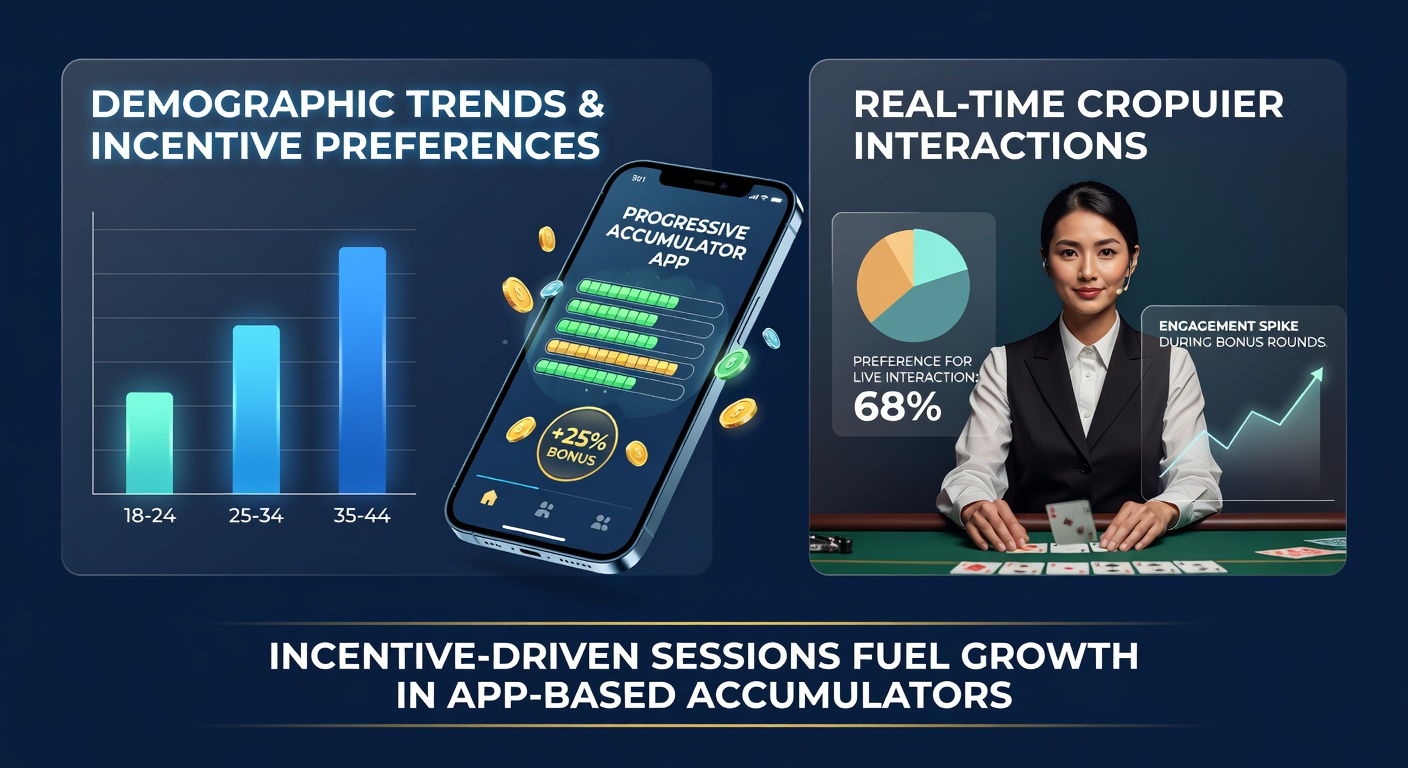
Recent analyses of user behavior across digital platforms reveal distinct patterns in how different age cohorts approach incentive structures tied to progressive accumulators and synchronized live dealer sessions. Data collected through 2025 into early 2026 indicate that individuals aged 25 to 34 show elevated engagement with bonus-triggered sessions in app environments, particularly where progressive reel systems link directly to real-time croupier interactions. These users often complete deposits at higher frequencies when promotional layers align with jackpot thresholds, according to aggregated platform metrics. Regional breakdowns further clarify these preferences. Participants in North American markets demonstrate stronger alignment with instant-reward mechanics that feed into both accumulator growth and live table entry, while European cohorts exhibit measured responses to time-limited incentives that extend session lengths without direct cash multipliers. Observers note that such variations trace back to differing regulatory frameworks that shape bonus availability across jurisdictions.Age-Based Patterns in Session Initiation
Platform telemetry from mid-2025 highlights how users under 30 initiate incentive-driven rounds at rates nearly double those recorded for participants over 45. This group gravitates toward mobile formats that combine progressive jackpot contributions with seamless entry into dealer-hosted games, where real-time multipliers appear during active play. Researchers tracking these behaviors point to streamlined app navigation as a contributing factor that reduces friction between deposit confirmation and session start.
Older demographics, by contrast, display steadier participation when incentives emphasize sustained accumulator progress rather than immediate live dealer bonuses. Figures from industry reports compiled through June 2026 show this cohort favoring extended reel sessions that build toward larger progressive pools before transitioning into croupier formats.
Geographic and Device Influences
Device type intersects with demographic signals in notable ways. Smartphone users in urban centers record higher completion rates for incentive chains that bundle progressive contributions with live interaction credits. Tablet engagement, meanwhile, skews toward users who prioritize visual clarity during croupier exchanges paired with slower accumulator builds. Data indicates these preferences hold across multiple markets, though intensity varies by local payment infrastructure maturity.
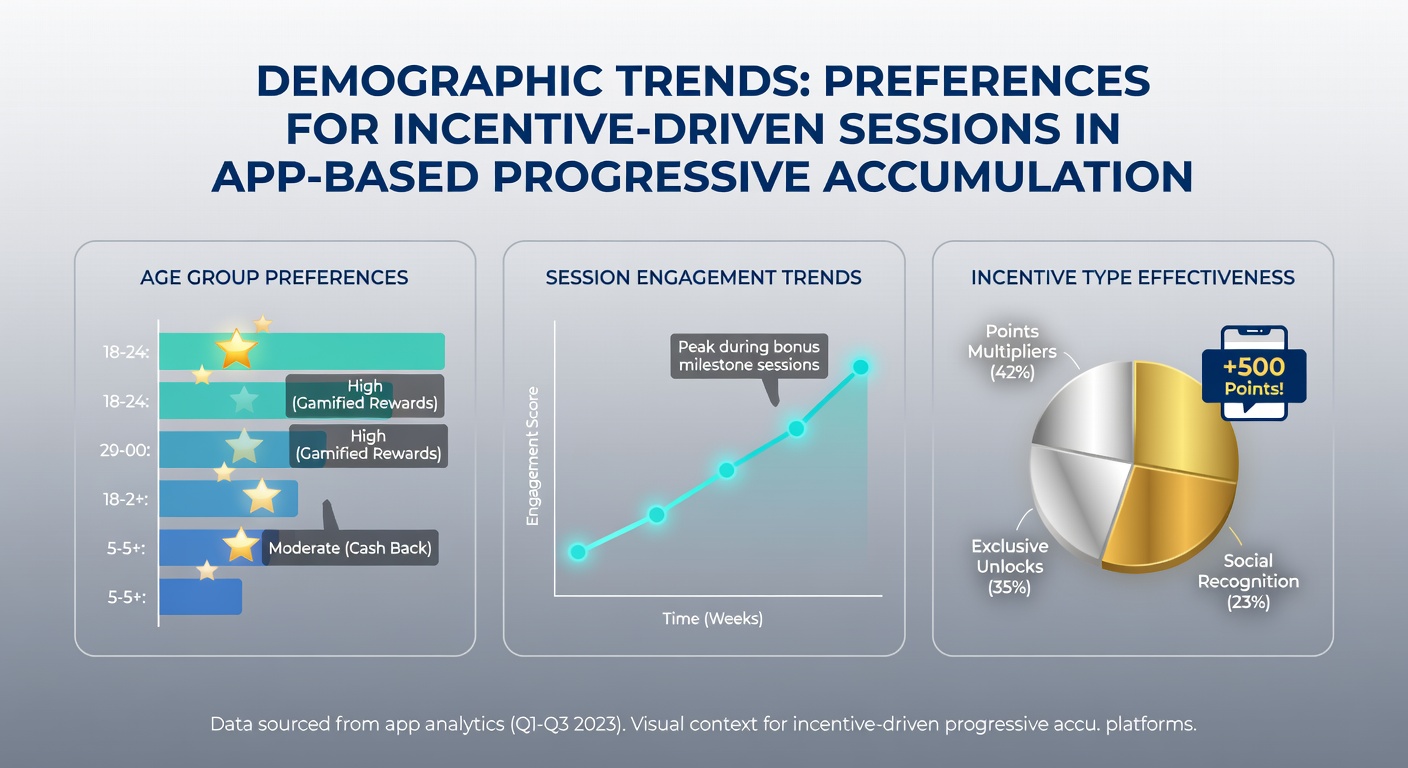
Studies conducted by the National Center for Responsible Gaming have documented similar splits in participation intensity when incentives target specific game categories. The findings align with observations from Australian regulators, where platform data reveals younger users responding more readily to combined accumulator and live session promotions than older segments.
Gender and Behavioral Correlations
Gender distributions within these trends show women comprising a growing share of incentive-driven live dealer participants, particularly in sessions where progressive contributions carry over from prior reel activity. Men continue to dominate accumulator-focused play but increasingly incorporate real-time croupier rounds when bonus structures reward cross-format continuity. Platform logs from the first half of 2026 capture these shifts without indicating abrupt changes in overall volume.
Payment method preferences also factor into the equation. Users who favor instant deposit pathways demonstrate higher retention across both progressive and live formats when incentives reset on a session-by-session basis rather than calendar cycles. This pattern appears consistent regardless of primary device or region.
Emerging Data Points Through Mid-2026
Updated metrics released in June 2026 confirm that incentive layering continues to influence entry points into combined game environments. Younger users accelerate through progressive phases to unlock dealer interactions, whereas mid-age participants maintain balanced time allocation between the two formats. These behaviors reflect platform design choices that accommodate varying session objectives across demographic lines.
Conclusion
Demographic data compiled through the first half of 2026 underscores measurable differences in how age, location, and device preferences shape responses to incentive structures within app-based progressive accumulators and real-time croupier formats. Continued monitoring of these patterns will clarify whether current distributions persist or evolve with further platform refinements and regulatory adjustments across regions.