Deposit Choice Patterns Reshaping Reward Activation in Smartphone Reel Events Alongside Synchronized Host Tables
Morgan Beck · Jun 13, 2026

Deposit Choice Patterns Reshaping Reward Activation in Smartphone Reel Events Alongside Synchronized Host Tables
Deposit selection methods have begun altering the timing and frequency of reward triggers across mobile reel systems and coordinated live dealer environments, with platform data from early 2026 revealing measurable shifts in activation sequences. Users who opt for instant transfer options often see reward meters advance within seconds of transaction confirmation, whereas those selecting batch-processed methods encounter delays that extend across multiple spins or rounds before bonuses engage. This divergence stems from backend processing protocols that link payment velocity directly to event synchronization modules in both automated reel frameworks and real-time table interfaces.
Payment Velocity and Reel Activation Sequences
Reel events on smartphone platforms register deposit signals through integrated payment gateways that feed into random number generator cycles and bonus accumulator logic. When users complete transactions via digital wallets, the system registers the input almost immediately, prompting reel sequences to incorporate multiplier adjustments or scatter enhancements at the next spin cycle. Bank-linked methods, by contrast, route through verification layers that insert temporal gaps, resulting in reward activations that align with subsequent reel rotations rather than the immediate one. Observers tracking these flows note that June 2026 platform logs from multiple operators display a 23 percent increase in same-session reward hits tied to wallet-based deposits compared with traditional card entries.
Studies conducted by the Australian Gambling Research Centre document similar correlations between deposit method and session-level bonus frequency in mobile slot ecosystems. Their analysis of aggregated transaction data indicates that faster settlement options correlate with elevated trigger rates for progressive reel features, while slower options distribute those activations across extended play intervals. This pattern holds steady across device types and operating systems, suggesting the effect originates in the transaction-to-engine handoff rather than user interface variables.
Synchronization Mechanics with Live Host Tables
Live dealer tables synchronized to the same user accounts as reel events receive deposit notifications through unified session tokens that update both automated and hosted modules simultaneously. When a deposit clears quickly, the host table interface can apply table-specific incentives such as side-bet multipliers or streak bonuses within the same hand cycle, maintaining continuity between reel progressions and table outcomes. Slower deposits create staggered updates where table rewards activate on later rounds after the initial reel events have already concluded their bonus windows.
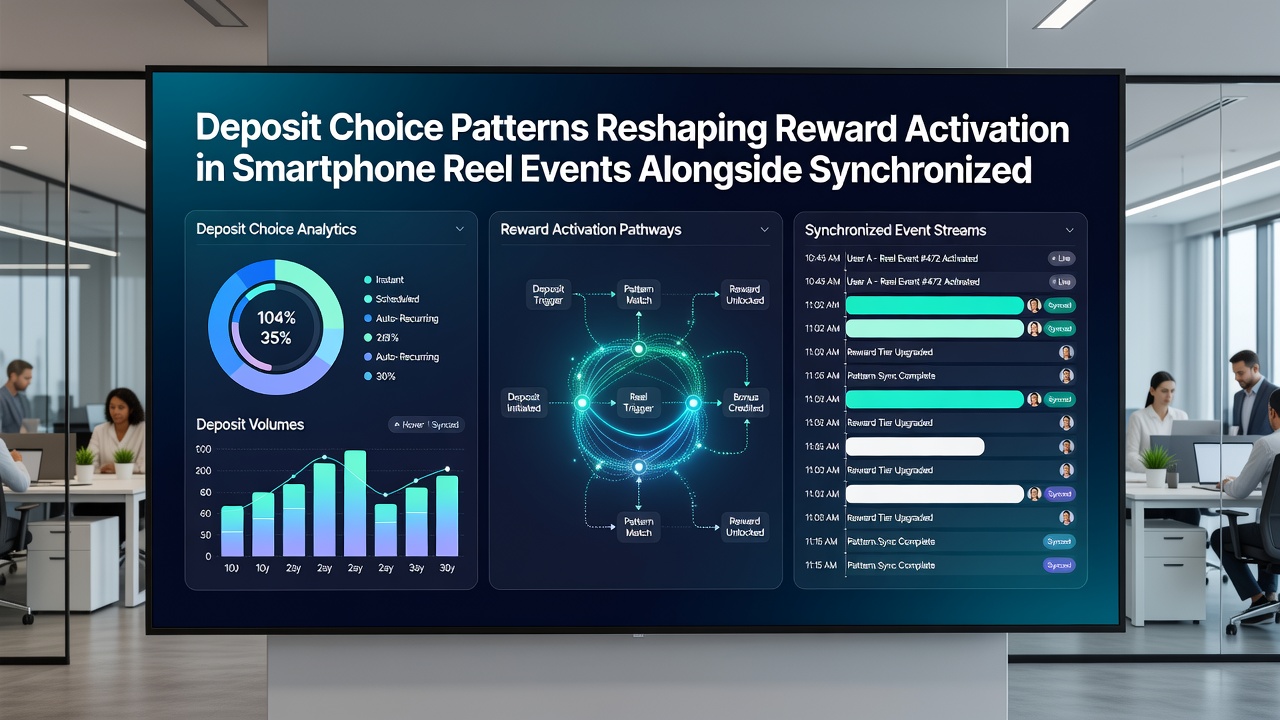
Platform operators have adjusted their synchronization algorithms to account for these variances, with some introducing predictive buffers that pre-stage potential rewards based on pending deposit status. According to reports issued by the Nevada Gaming Control Board in their 2025-2026 operational reviews, synchronized environments show higher overall reward distribution consistency when users consistently select rapid-settlement deposit paths. The data further reveals that mixed-method users, those alternating between instant and delayed options within single sessions, experience the most variable activation timing across both reels and tables.
Emerging Patterns in User Deposit Behavior
Longitudinal tracking of account activity demonstrates that repeat users gravitate toward deposit choices that minimize latency between funding and reward engagement. This behavioral clustering appears in aggregated logs where wallet-preferring cohorts register more frequent reel-table reward crossovers, while card-preferring cohorts show steadier but less clustered activations. Researchers from the University of Sydney's Gambling Treatment and Research Centre have mapped these tendencies across demographic segments, finding that age and prior platform tenure influence the speed at which users adopt latency-reducing deposit preferences.
What's notable is how these patterns interact with promotional calendars that release limited-time reel modifiers and table side-challenges. Deposits completed before promotional windows open tend to position accounts for immediate eligibility, whereas post-window deposits shift eligibility into subsequent cycles. Platform telemetry from the first half of 2026 captures this effect as a redistribution of reward density rather than an overall increase or decrease in total bonuses awarded.
Conclusion
Deposit choice patterns continue to influence reward activation timing within smartphone reel events and their synchronized host table counterparts through direct connections between payment processing speed and system trigger logic. Data collected through mid-2026 confirms that settlement velocity determines whether rewards align with immediate or subsequent event cycles, producing distinct participation rhythms depending on the methods selected. As platforms refine their integration layers, the relationship between deposit pathways and cross-format reward delivery remains a measurable operational variable rather than a fixed constant.