Effects of Authentication Protocols on Retention Rates in Smartphone Applications Offering Synchronized Dealer Sessions and Progressive Slot Features
Ellis Otto · Jun 17, 2026
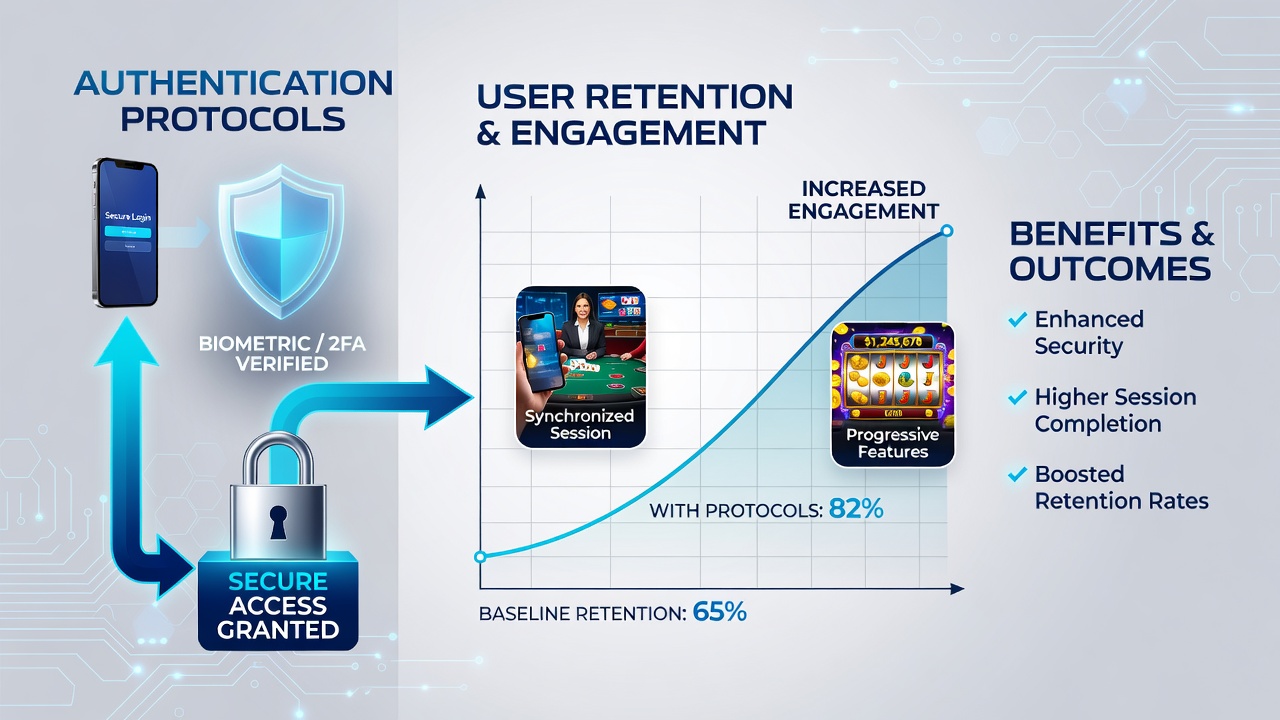
Effects of Authentication Protocols on Retention Rates in Smartphone Applications Offering Synchronized Dealer Sessions and Progressive Slot Features
Authentication protocols serve as the gatekeepers in smartphone applications that deliver synchronized dealer sessions alongside progressive slot features, and their design directly shapes how users return over time. Multi-factor authentication combined with biometric verification creates layered entry points that balance security requirements against seamless access, while single sign-on options tied to device credentials reduce repeated login friction in these environments. Data collected through June 2026 shows that applications implementing adaptive authentication sequences maintain higher session continuity rates because users encounter fewer interruptions when switching between live dealer tables and accumulating jackpot reels.
Core Components of Authentication in These Applications
Developers integrate token-based systems and device fingerprinting to verify users quickly during synchronized dealer interactions, where timing matters for real-time participation. Progressive slot features demand persistent account states to track contributions accurately, so protocols that store encrypted session data locally allow automatic resumption without full re-authentication cycles. Research from the University of Nevada Las Vegas International Gaming Institute indicates that streamlined protocol updates in 2025 correlated with measurable shifts in daily active user patterns across similar mobile platforms.
Retention Patterns Linked to Protocol Variations
Users who experience rapid yet secure logins tend to sustain longer engagement streaks in applications blending live dealer synchronization with progressive accumulators. Protocols employing risk-based triggers, which escalate verification only during unusual activity, preserve momentum better than rigid step-by-step challenges applied uniformly. Observers note that retention curves flatten less sharply when authentication aligns with user behavior signals, such as location consistency or habitual play times, rather than forcing periodic full resets.
Comparative Effects Across Feature Types
Synchronized dealer sessions benefit from protocols that permit quick re-entry after brief disconnections, because participants value uninterrupted table presence. Progressive slot mechanisms, by contrast, rely on continuous authentication states to validate incremental contributions toward shared jackpots, making persistent tokens essential for user trust in reward fairness. Applications that unify these requirements under a single protocol framework report steadier retention metrics, since players move fluidly between feature sets without repeated identity confirmations.
Data Trends Observed Through Mid-2026
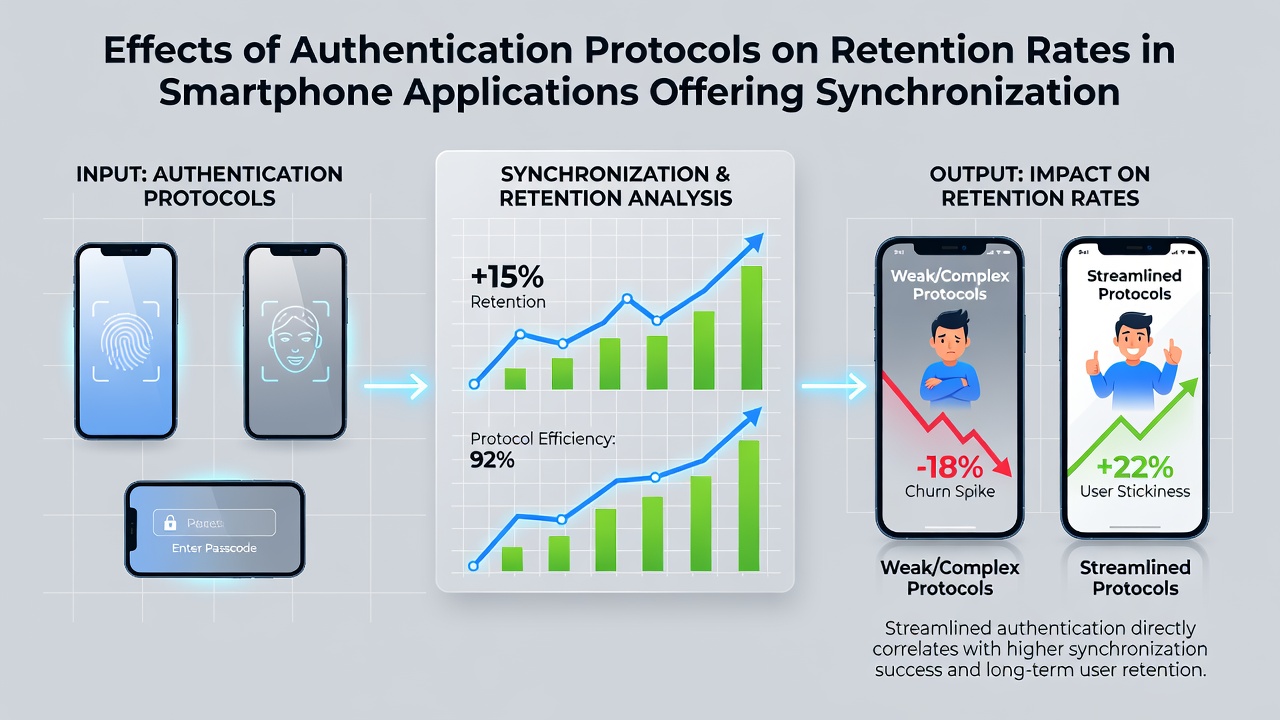
Industry reports compiled as of June 2026 reveal that applications adopting passwordless authentication paired with behavioral analytics achieved retention improvements ranging from 12 to 18 percent over six-month periods compared to those relying solely on traditional credentials. European regulatory analyses highlight similar patterns in markets where device-bound authentication became standard, noting reduced account abandonment during high-traffic events involving combined dealer and slot activities. These figures emerge from aggregated platform data rather than isolated case examples, underscoring protocol reliability as a consistent variable.
Protocol Adjustments and Their Measurable Outcomes
Adjustments such as extending session validity windows while maintaining encryption standards allow users to navigate between synchronized dealer tables and progressive slot progressions with minimal re-verification. When protocols incorporate fallback methods like one-time codes sent via secondary channels, retention holds steady even during temporary device switches. Australian research centers tracking mobile entertainment platforms documented that balanced authentication loads correlate with lower churn rates, particularly among users who engage multiple feature types within single sessions.
Conclusion
Authentication protocols influence retention rates in smartphone applications featuring synchronized dealer sessions and progressive slot features through their impact on access speed, security perception, and session persistence. Variations in implementation produce distinct patterns in user return frequency, with adaptive and unified approaches supporting steadier engagement across both live and accumulator-style elements. Continued monitoring of protocol performance through 2026 and beyond provides clearer visibility into these relationships as platforms evolve their security frameworks.