From Deposit to Draw: The Dynamics of Payment Choices in Shaping Outcomes for Mobile Jackpot Chasers and Live Table Enthusiasts
Ulrich Lange · Aug 15, 2026
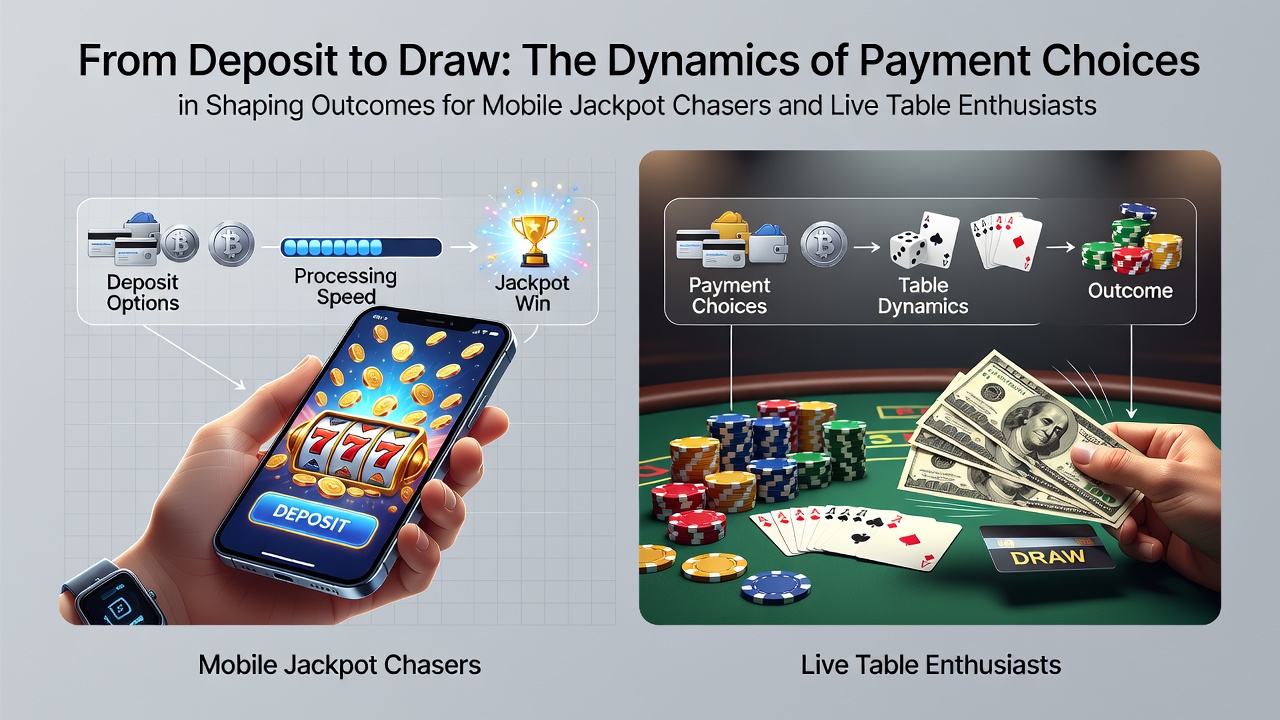
From Deposit to Draw: The Dynamics of Payment Choices in Shaping Outcomes for Mobile Jackpot Chasers and Live Table Enthusiasts
Payment methods selected at the start of a mobile session often determine how quickly participants reach progressive jackpot reels or synchronized live dealer tables, and data collected through 2026 shows distinct patterns emerging across different transaction types. Instant e-wallet transfers connect directly to game lobbies within seconds while bank transfers and certain card processors introduce delays that shift timing and participation rates. Researchers tracking user flows on portable platforms note that these initial choices ripple through session length, game selection, and reward activation frequency in measurable ways.
Transaction Speed and Immediate Game Access
Observers tracking mobile gambling patterns report that users favoring instant payment rails enter live table environments and progressive slot pools faster than those using slower verification routes. In August 2026 platform logs from multiple operators revealed that sessions initiated with digital wallets averaged 23 percent longer engagement with real-time croupier tables compared to those starting with standard card authorizations. The quicker path allows participants to join ongoing blackjack or roulette rounds without interruption, whereas delayed deposits sometimes force players to switch to automated reel games instead.
Studies from the New Jersey Division of Gaming Enforcement document similar correlations between deposit velocity and game-type persistence. Participants using low-friction options maintain presence in both jackpot accumulation modes and hosted live sessions more consistently, while slower methods correlate with higher abandonment before bonus features activate.
Fee Structures and Player Resource Allocation
Transaction costs attached to certain deposit channels influence how users distribute funds across mobile jackpot pursuits and live table participation. Platforms that surface transparent fee information upfront show users adjusting stake sizes or session targets accordingly, according to aggregated operator reports. Those absorbing small percentage charges on e-wallet deposits often allocate remaining balances toward higher-volatility progressive slots, whereas flat-fee methods prompt more conservative bankroll management during extended live dealer sequences.
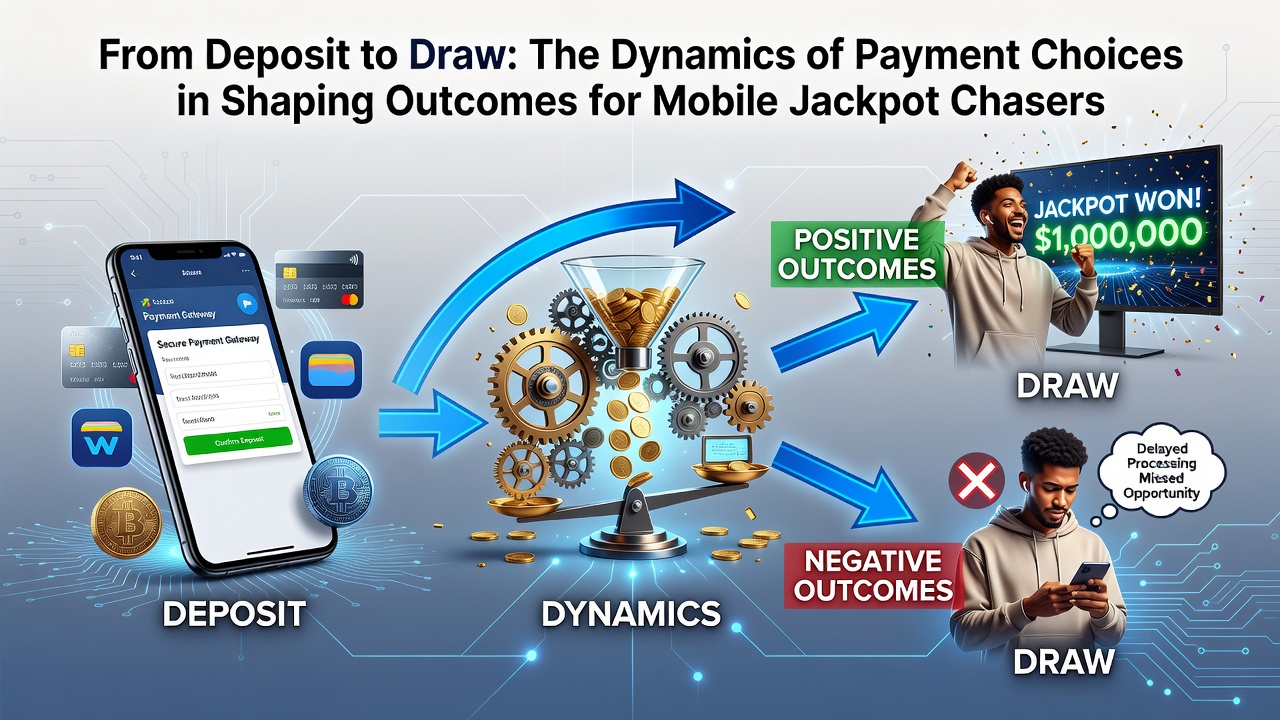
One analysis of cross-platform data found that fee-aware players on handheld devices frequently rotate between jackpot chases and table formats within the same session when initial deposit costs remain low. Higher-cost methods, by contrast, tend to lock users into single-format play for longer stretches as they seek to offset the upfront expense through sustained reel spins or card rounds.
Security Protocols and Sustained Engagement
Authentication layers required by different payment providers also shape retention patterns in mobile environments offering both progressive accumulators and synchronized dealer streams. Multi-factor verification steps that complete rapidly support repeated deposits within one session, enabling players to chase accumulating jackpots or re-enter live tables after short breaks. Slower verification flows sometimes interrupt momentum and reduce return visits within the same day.
Regional banking habits further modulate these effects, with users in markets dominated by instant bank-link services showing higher crossover rates between slot jackpot and live table categories. Platform telemetry from mid-2026 indicates that seamless authentication correlates with increased trial of new game variants, particularly when users move between automated reels and real-time hosted tables without friction.
Demographic Patterns in Method Selection
Demographic breakdowns compiled by industry research groups reveal age and regional differences in preferred deposit routes and resulting game preferences. Younger cohorts gravitate toward mobile-native wallets that feed directly into both jackpot meters and live dealer interfaces, producing higher simultaneous participation metrics. Older segments more often rely on established card or bank channels, which can steer activity toward fewer but longer sessions in one format or the other.
Findings released by the Victorian Commission for Gambling and Liquor Regulation highlight how these preferences translate into distinct outcome distributions across portable platforms. The data illustrate that payment choice at deposit stage serves as an early predictor of whether users spend more time accumulating progressive prizes or engaging in interactive table play.
Conclusion
Payment selection at the deposit stage continues to function as a structural variable that shapes access speed, resource allocation, and format persistence across mobile jackpot and live table ecosystems. Platform records through August 2026 confirm measurable links between transaction characteristics and subsequent player behavior, with instant methods supporting broader exploration and delayed or costlier routes narrowing participation patterns. These dynamics remain observable across regions and demographic groups as operators refine integration between financial rails and game libraries.