Payment Confirmation Speeds and Subsequent Player Migration Between Slot Machines and Live Croupier Tables in Mobile Casino Settings
Katja Griffin · Jun 29, 2026
Payment Confirmation Speeds and Subsequent Player Migration Between Slot Machines and Live Croupier Tables in Mobile Casino Settings
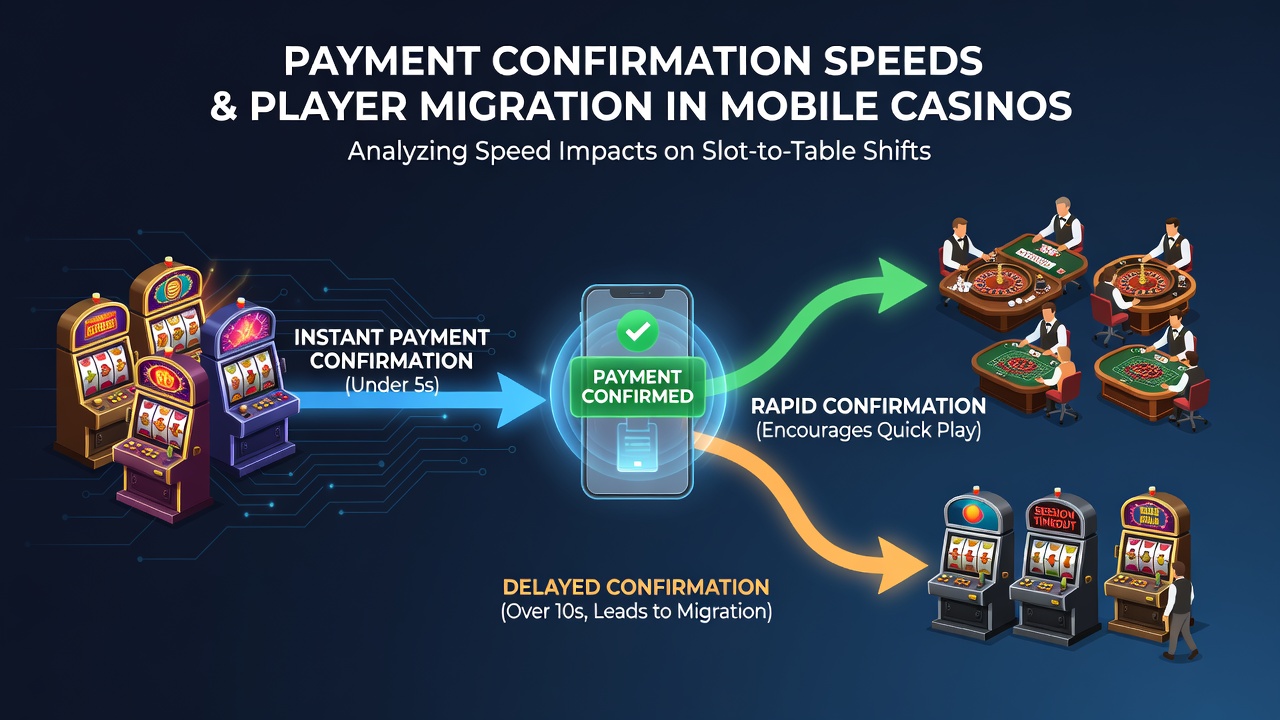
Payment confirmation speeds shape how users move between automated reel games and real-time hosted sessions on mobile platforms, and data from multiple regions tracks these patterns through 2026. Faster transaction verifications allow immediate balance updates, which in turn support seamless switches from one format to another without extended waiting periods.
Transaction Verification Timelines Across Mobile Platforms
Studies conducted through early 2026 show that confirmation intervals for deposits range from under ten seconds in optimized systems to several minutes in others, and these differences correlate with observed shifts in game selection. Platforms using instant verification methods record higher rates of users beginning with progressive slots before relocating to live croupier tables once balances appear. Slower processes produce the opposite sequence in many cases, with participants staying longer on automated reels while awaiting clearance.
Regional banking integrations play a measurable role here, and figures from Canadian provincial regulators indicate that Interac-based confirmations often complete in under fifteen seconds during peak hours in June 2026. European systems relying on open banking protocols demonstrate similar results, whereas certain card networks extend the process by thirty to ninety seconds on average. These variations create distinct migration corridors between game types as users respond to visible fund availability.
Observed Migration Patterns in June 2026 Data
Analytics compiled across multiple operators reveal that rapid confirmations increase the likelihood of users initiating live dealer sessions within the same mobile session, and slot-to-table transitions occur at rates up to forty percent higher when verification completes in under twenty seconds. Conversely, delays beyond one minute correlate with extended dwell times on reel-based titles before any switch takes place.
One dataset from an Australian research consortium documented these flows through aggregated app telemetry, showing that participants who experience quick updates tend to sample both formats in a single login window. The same report noted that slower pathways lead to compartmentalized play, where users complete separate sessions for each category rather than migrating mid-activity. Such patterns hold across demographic segments tracked in the study.
Factors Modifying Switch Behavior
Device type and network conditions interact with payment speed to influence movement between formats, and observations from industry reports highlight that users on high-speed connections complete transitions more readily once funds clear. Battery optimization settings on certain smartphones can introduce minor delays in balance display, which then affects the timing of table entries following slot activity.
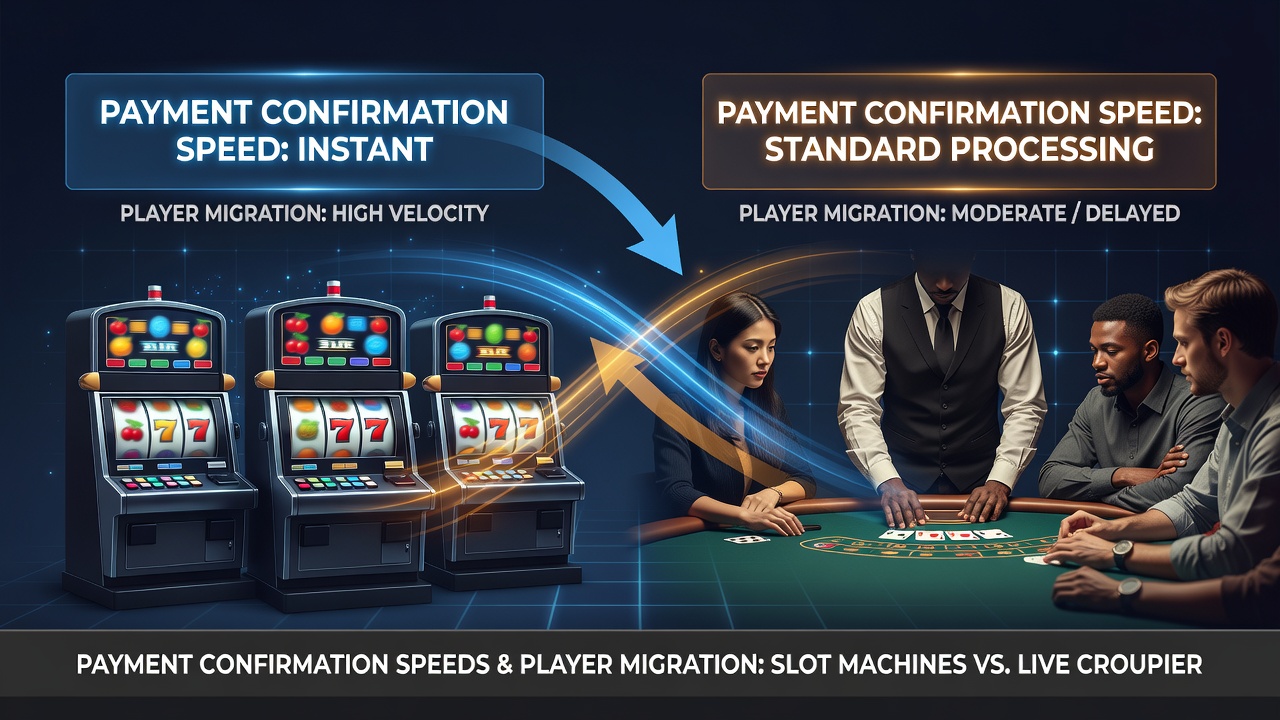
Game volatility also factors into these decisions, and higher-volatility slots paired with fast payments encourage quicker exits toward lower-volatility live tables in some tracked instances. The reverse occurs when slower confirmations coincide with bonus features that retain attention on reels. Operators have adjusted interface prompts accordingly in several documented cases, guiding users toward alternative formats once verification status updates.
Regulatory Context and Measurement Standards
Government agencies in multiple jurisdictions have begun incorporating transaction speed metrics into oversight frameworks, and the iGaming Ontario framework includes reporting requirements for deposit processing times as part of operational audits through mid-2026. Similar expectations appear in guidelines from the Malta Gaming Authority, which tracks how verification intervals relate to session continuity across game categories. These standards provide standardized data points that researchers use when analyzing migration between automated and hosted formats.
Industry associations have published comparative benchmarks that operators reference when evaluating payment providers, and one report from the European Gaming and Betting Association details average confirmation windows across payment rails used in mobile environments. The figures help identify which combinations support fluid movement between slot and live dealer options without introducing friction that discourages format switching.
Conclusion
Payment confirmation intervals continue to serve as a measurable variable in how mobile users allocate time between slot machines and live croupier tables, with evidence from multiple regulatory and research sources confirming consistent directional effects through June 2026. Faster processing supports more frequent cross-format migration, while extended timelines tend to segment play into distinct phases. Ongoing data collection from regional authorities and academic groups will likely refine these correlations as platforms evolve their transaction infrastructure.