Security Protocols Fortifying Rapid Monetary Exchanges and Their Effects on Sustained Engagement Patterns Across App-Based Reward Accumulators Alongside Synchronized Interactive Sessions
Greta Otto · May 30, 2026
Security Protocols Fortifying Rapid Monetary Exchanges and Their Effects on Sustained Engagement Patterns Across App-Based Reward Accumulators Alongside Synchronized Interactive Sessions
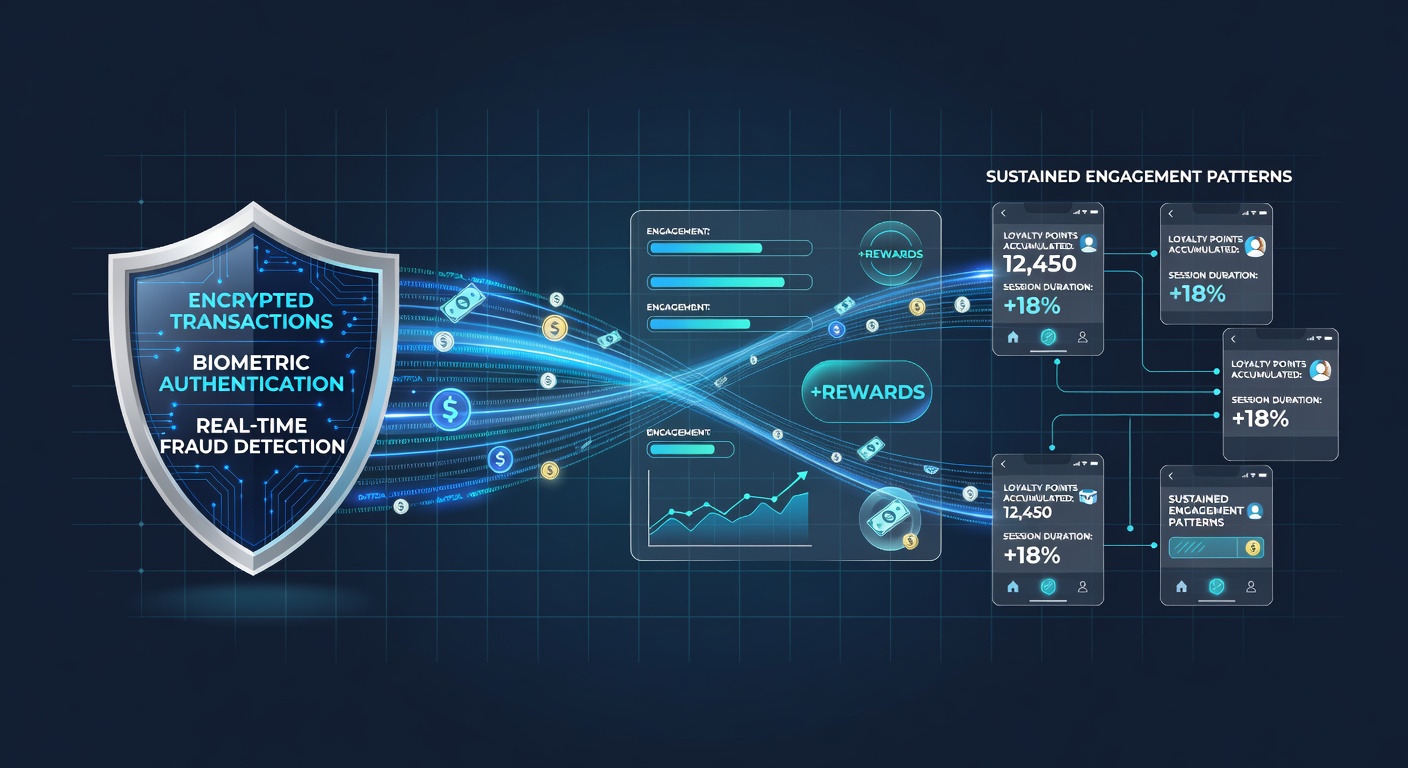
Security protocols have become central to rapid monetary exchanges within digital platforms, where encryption standards and authentication layers work together to protect data during instant transfers, and observers note that these measures directly shape how users interact with reward accumulators over extended periods while participating in synchronized sessions that require real-time coordination.
Core Security Frameworks in Fast Transactions
Modern systems rely on protocols such as Transport Layer Security combined with tokenization techniques, and researchers at institutions like the Massachusetts Institute of Technology have documented how these elements reduce vulnerabilities during high-speed payments, while multi-factor authentication adds another barrier that verifies user identity without introducing significant delays. Data from the European Central Bank shows adoption rates of these frameworks rising steadily through 2025, with particular emphasis on biometric options like fingerprint and facial recognition that integrate seamlessly into mobile environments.
Blockchain-based verification has also gained traction in certain sectors, whereas centralized databases continue to dominate others, yet both approaches prioritize speed alongside protection, and this balance allows transactions to complete in seconds rather than minutes, which in turn supports continuous user activity without interruptions from security checks.
Influence on Reward Accumulation Behaviors
App-based reward accumulators benefit when security protocols operate efficiently, because users demonstrate higher persistence in earning and redeeming points when they perceive their financial details as protected, and studies from the University of Toronto indicate correlations between robust encryption and longer session times in loyalty programs across retail and service sectors. Engagement patterns shift as individuals return more frequently to check balances or complete tasks, since seamless verifications eliminate friction that might otherwise prompt abandonment.
Figures reveal that platforms implementing advanced fraud detection algorithms alongside rapid exchanges see sustained participation rates increase by measurable margins, while those with weaker measures experience drop-offs after initial interactions. One analysis of consumer data highlighted how tokenization prevents reuse of sensitive information, thereby encouraging repeated deposits into reward pools without hesitation.

Effects on Synchronized Interactive Sessions
Synchronized interactive sessions, which often involve live updates and simultaneous user actions, depend on uninterrupted transaction flows that security protocols help maintain, and evidence suggests that when authentication occurs in the background through device-bound tokens, participants remain connected longer without logging out due to perceived risks. In May 2026, updated guidelines from regulatory bodies in Australia emphasized integration of real-time monitoring tools that flag anomalies during these sessions, allowing platforms to sustain engagement while addressing threats promptly.
People who engage in group-based reward challenges or timed events report fewer disruptions when protocols like end-to-end encryption shield data exchanges, and this stability fosters patterns of prolonged involvement where users coordinate actions across multiple devices. Research indicates that platforms balancing security with velocity observe higher completion rates for interactive tasks, as the absence of repeated verifications keeps momentum intact throughout the session duration.
Observed Patterns and Platform Adaptations
Those who've examined usage logs across various applications find that secure rapid exchanges correlate with increased frequency of reward redemptions, whereas lapses in protocol strength lead to hesitation during synchronized events, and this dynamic prompts developers to refine algorithms that predict user behavior based on transaction security feedback. Case examples include loyalty apps in the hospitality sector where biometric logins paired with instant transfers have supported extended participation in collaborative challenges, with metrics showing steady climbs in daily active users.
Platforms adapt by incorporating adaptive security that scales verification intensity according to transaction size or session context, and this flexibility prevents unnecessary barriers while preserving protection, which in turn maintains engagement across reward accumulators. Data shows regional variations, with North American implementations focusing more on compliance integrations that align with consumer protection standards from bodies like the Consumer Financial Protection Bureau.
Conclusion
Security protocols continue to underpin rapid monetary exchanges in ways that influence sustained engagement across app-based reward systems and synchronized sessions, as evidenced by adoption trends and performance data through mid-2026, while ongoing refinements ensure these frameworks support rather than hinder user patterns in digital environments.