Shifts in Reward System Designs and Their Influence on Game Selection Patterns in Instant-Access Betting Platforms
Ulrich Lange · Jul 25, 2026

Shifts in Reward System Designs and Their Influence on Game Selection Patterns in Instant-Access Betting Platforms
Design changes in reward systems have altered how participants allocate time between card tables and spinning reels across platforms that emphasize rapid entry and minimal onboarding steps, with data from mid-2026 indicating measurable differences in game selection tied to specific incentive structures.
Platform operators have moved away from uniform bonus offers toward segmented structures that assign distinct reward values to different game categories, and researchers tracking these modifications report corresponding adjustments in player behavior during the first half of 2026.
Evolution of Reward Allocation Methods
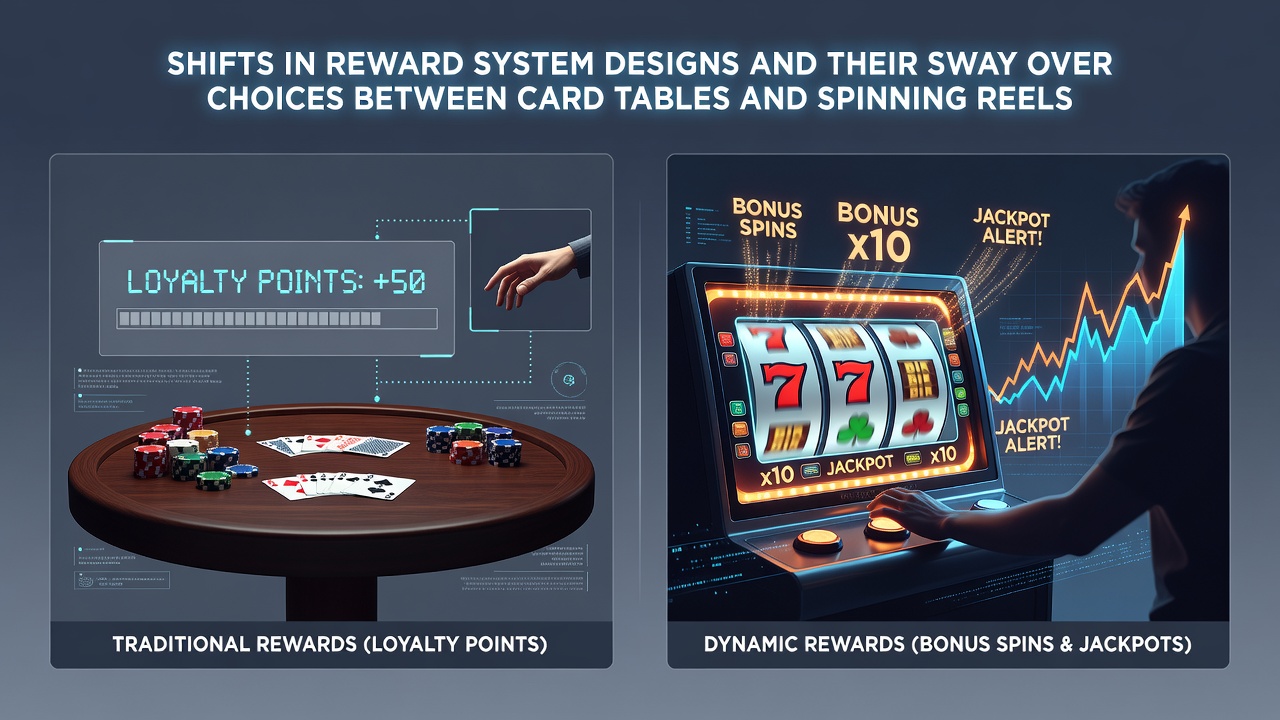
Early reward frameworks distributed flat percentages of deposits or losses across all games without differentiation, yet subsequent iterations introduced multipliers and category-specific multipliers that favor either table games or automated reel sequences depending on operator goals. Studies conducted through 2025 and into July 2026 document a rise in tiered loyalty programs where points accrue at varying rates, with table game rounds often generating lower multipliers compared with reel spins in many systems.
Those who examined platform data note that cashback mechanisms now frequently cap reimbursements differently for live dealer sessions versus automated progressives, which has produced observable clustering of activity around the higher-reward category within individual accounts.
Impact on Table Game Versus Reel Preferences
Comparative analyses released in 2026 show that platforms applying elevated point multipliers to card-based sessions experienced increased table occupancy during peak hours, whereas systems weighting reel accumulations more heavily recorded higher spin volumes per active user. One longitudinal review covering multiple jurisdictions found that players exposed to free-spin bundles tied exclusively to reel play shifted away from table options at rates exceeding twenty percent over six-month observation windows.
Conversely, loyalty programs that granted exclusive table-game tournaments or reduced rake structures retained higher proportions of participants in blackjack and roulette formats. These patterns emerged consistently across browser-based environments that permit immediate session starts after minimal verification.
Data Patterns Observed in 2026
Figures compiled by academic groups tracking digital gambling activity indicate that reward redesigns implemented between late 2025 and July 2026 correlated with a redistribution of session lengths, and those who monitored account-level logs identified longer dwell times on whichever game category received the stronger incentive weighting. Demographic breakdowns further reveal that younger cohorts responded more readily to time-limited reel bonuses while older segments maintained steadier engagement with table rewards when those carried higher perceived value.
Regulatory filings from several regions document parallel movements, with operators adjusting reward parameters after internal testing demonstrated clear directional effects on game mix.
Examples of Structural Adjustments
Operators have introduced hybrid models that blend deposit-match credits usable only on tables with separate reel-specific free-play allotments, and evidence from platform analytics shows these dual-track approaches stabilize participation across both formats rather than concentrating activity. One documented case involved a platform that reallocated monthly loyalty milestones to require balanced play across categories, resulting in more even distribution between card sessions and reel sequences according to post-implementation reports.
Additional refinements include dynamic reward scaling that responds to recent play history, automatically elevating incentives for under-selected game types within a user's profile. Researchers following these adaptive algorithms note that such mechanisms reduce polarization between table and reel preferences when calibrated correctly.
Conclusion
Observed shifts in reward system architecture continue to guide selection patterns between card tables and spinning reels inside quick-entry environments, with 2026 data confirming that targeted design choices produce measurable differences in how participants distribute their activity. Ongoing monitoring by research bodies and regulatory agencies tracks these effects across jurisdictions, providing updated figures on how structural modifications influence game category balance.