Smartphone Casino Apps: Mapping Payment Preferences to Shifts in Live Dealer and Slot Jackpot Engagement
Morgan Beck · Jul 6, 2026
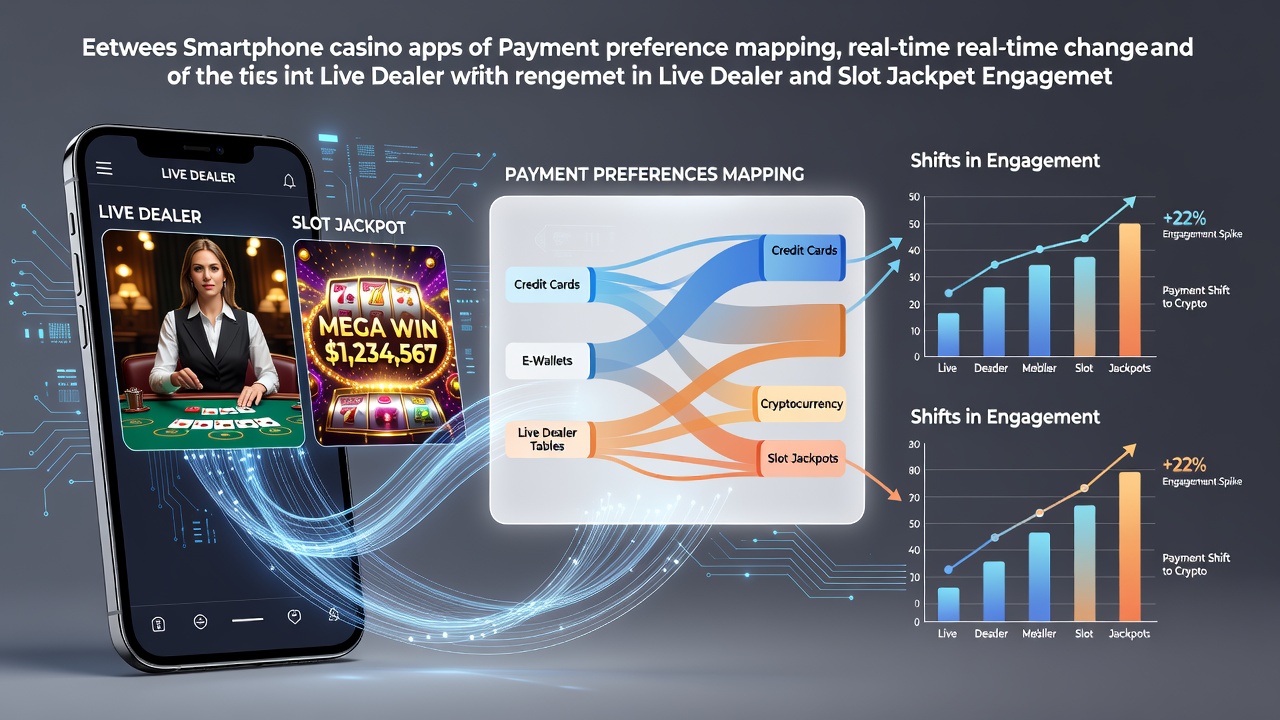
Smartphone Casino Apps: Mapping Payment Preferences to Shifts in Live Dealer and Slot Jackpot Engagement
Payment preferences in smartphone casino apps have shown clear correlations with engagement patterns in live dealer sessions and slot jackpot features as platforms expanded their mobile offerings through 2026. Data collected across multiple markets indicates that users selecting certain transaction methods tend to allocate more time to specific game categories, with instant options often aligning with higher interaction rates in real-time hosted tables while batch-processed methods connect more frequently to progressive reel systems.
Analysts tracking app behavior note that e-wallet transactions, which complete within seconds, appear alongside extended sessions at live blackjack and roulette tables. In contrast, users opting for direct bank integrations or scheduled transfers demonstrate elevated activity levels around slot machines featuring accumulating jackpots, particularly during periods when bonus rounds activate at higher frequencies. These patterns emerged consistently in reports covering the first half of 2026, when mobile traffic accounted for over 70 percent of total casino engagement in several regulated jurisdictions.
Payment Categories and Their Observed Distribution
Transaction methods fall into distinct groups based on processing speed and verification requirements. Digital wallets such as those tied to mobile payment services process deposits almost immediately, allowing players to move from funding to gameplay without intermediate steps. Credit and debit card options occupy a middle ground, with authorization times varying by issuer, while cryptocurrency transfers introduce variable confirmation periods depending on network load. Traditional bank wires remain the slowest category, often requiring 24 to 48 hours for clearance before funds become playable.
Figures compiled by iGaming Ontario reveal that wallet-based deposits represented approximately 48 percent of mobile transactions in Ontario-licensed apps during the second quarter of 2026, coinciding with a measurable uptick in live dealer table occupancy during evening hours. Card payments followed at 31 percent, and the remaining share split between crypto and bank transfer methods. Observers note that these proportions shift seasonally, with wallet usage rising during promotional windows that coincide with major sporting events.
Live Dealer Engagement Patterns
Live dealer modules within smartphone apps rely on synchronized video streams and chat functions that reward continuous presence. Players who complete deposits through instant wallet services show longer average dwell times at these tables, often remaining connected through multiple dealer rotations. This connection stems from the seamless transition between deposit confirmation and table entry, reducing the friction that might otherwise interrupt momentum.
Research conducted by the University of Nevada's International Gaming Institute documented that sessions initiated via instant payment methods averaged 47 minutes at live dealer blackjack tables, compared with 29 minutes for sessions funded through slower bank transfer routes. The same study found that live dealer roulette attracted a similar skew, with wallet users comprising the majority of participants who placed bets across more than 50 consecutive spins.
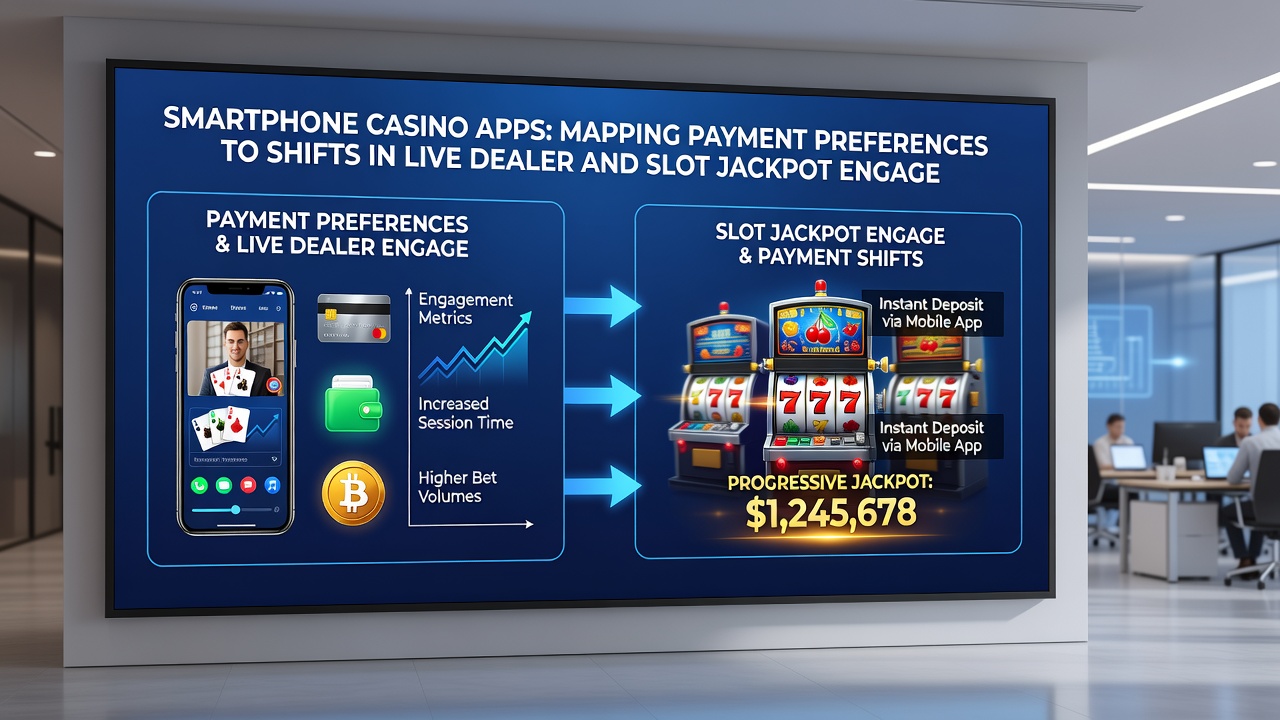
Slot Jackpot Activity and Transaction Timing
Progressive slot titles accumulate jackpots across networked machines, and engagement spikes often follow deposit events that align with feature triggers. Data indicates that users favoring methods with built-in confirmation delays, such as certain card processors or scheduled bank pulls, record higher frequencies of jackpot spin attempts once funds clear. This timing may relate to users planning extended play blocks around the moment their balance updates.
During July 2026, several major app providers reported that progressive jackpot contributions from mobile users increased 14 percent month-over-month among those who selected card or bank-linked funding. The same cohort demonstrated a preference for high-volatility titles where jackpot meters reset less frequently, suggesting that payment method choice influences both game selection and the duration of reel-spinning sequences.
Regional Variations in Method Preferences
Payment ecosystems differ across regulatory environments, producing distinct engagement maps. In markets where digital wallets dominate due to widespread adoption of mobile banking, live dealer traffic rises accordingly. European operators subject to Malta Gaming Authority oversight recorded wallet-driven live sessions outpacing slot activity by a ratio of 1.6 to 1 in app analytics from early 2026. Australian jurisdictions, governed by state-level frameworks, showed stronger card and bank transfer usage, with corresponding elevations in progressive slot participation rates.
Cross-border comparisons highlight how local banking infrastructure shapes these outcomes. Regions with mature instant payment rails see tighter alignment between wallet adoption and live dealer retention, whereas areas still transitioning from legacy transfer systems display more balanced or slot-leaning distributions. Platform operators adjust interface prompts and promotional timing to match these regional tendencies, though the underlying correlations remain consistent within each market.
Conclusion
Smartphone casino apps continue to generate granular data linking payment method selection to differentiated engagement in live dealer environments and slot jackpot systems. The patterns observed through mid-2026 reflect infrastructure realities, processing speeds, and user planning behaviors rather than isolated preferences. As transaction technologies evolve alongside regulatory reporting standards, these mappings provide operators with measurable indicators for optimizing game presentation and funding flows across mobile platforms.