Traditions and Technologies: Cultural Factors Driving Payment Choices and Game Preferences in International Online Casinos
Katja Griffin · Aug 19, 2026
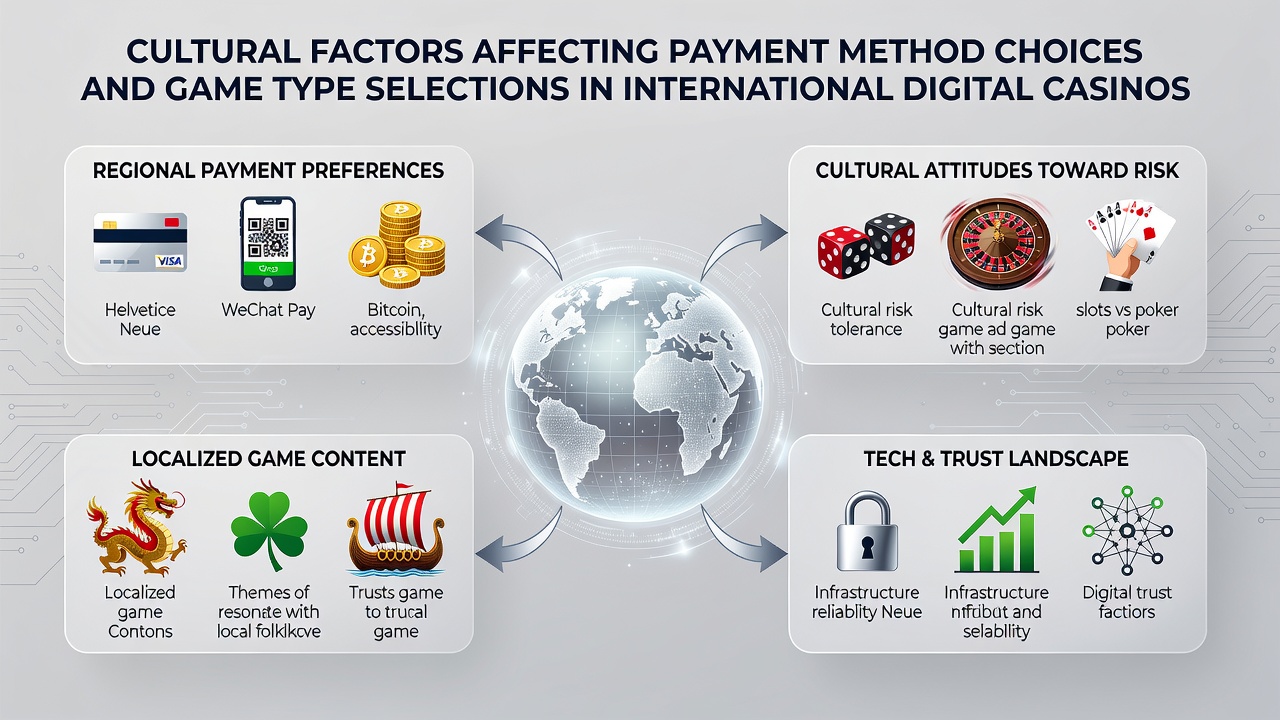
Traditions and Technologies: Cultural Factors Driving Payment Choices and Game Preferences in International Online Casinos
Observers note that cultural backgrounds play a substantial role in how players approach payment methods and game types within international digital casinos, with patterns emerging from regional histories, social norms, and trust systems that shape user behavior across platforms. Data from various markets shows these influences extend beyond simple preferences into structured decision frameworks that affect everything from deposit speed to session length in August 2026 reports tracking global trends.
Regional Trust Patterns in Payment Methods
Payment method selections often reflect longstanding attitudes toward financial institutions and technology adoption, where communities with deep roots in cash-based economies tend to favor digital wallets that mimic those traditions while others lean on established banking channels. Research indicates users in parts of Asia frequently select e-wallets tied to local mobile networks because those systems align with everyday transaction habits built over decades, whereas European players show higher usage rates for credit and debit cards linked directly to national banks. Figures reveal that in Latin American markets, prepaid cards maintain steady popularity due to concerns around data sharing that stem from historical banking instability in certain countries.
Trust and Security Perceptions
Security perceptions vary sharply across cultures, and those differences drive specific choices in how players fund their accounts. In regions where community discussions emphasize privacy, anonymous transaction options gain traction quickly, while in places with strong regulatory oversight people accept more traceable methods without hesitation. According to studies from the Canadian Centre on Substance Use and Addiction, cultural emphasis on collective responsibility leads to preferences for methods that include built-in spending limits, and similar patterns appear in Australian data compiled by the Productivity Commission.
Game Type Preferences Tied to Social Structures
Game selections connect closely to cultural values around risk, social interaction, and entertainment formats, with table games drawing participants in societies that value group dynamics while slot machines appeal more in individual-focused settings. Observers note that live dealer formats see elevated engagement in markets where storytelling and real-time social cues form part of leisure activities, whereas automated reel systems attract users who prioritize quick, solitary sessions. Evidence suggests these patterns hold steady even as platforms introduce new features, because underlying cultural frameworks guide initial choices and sustained play.
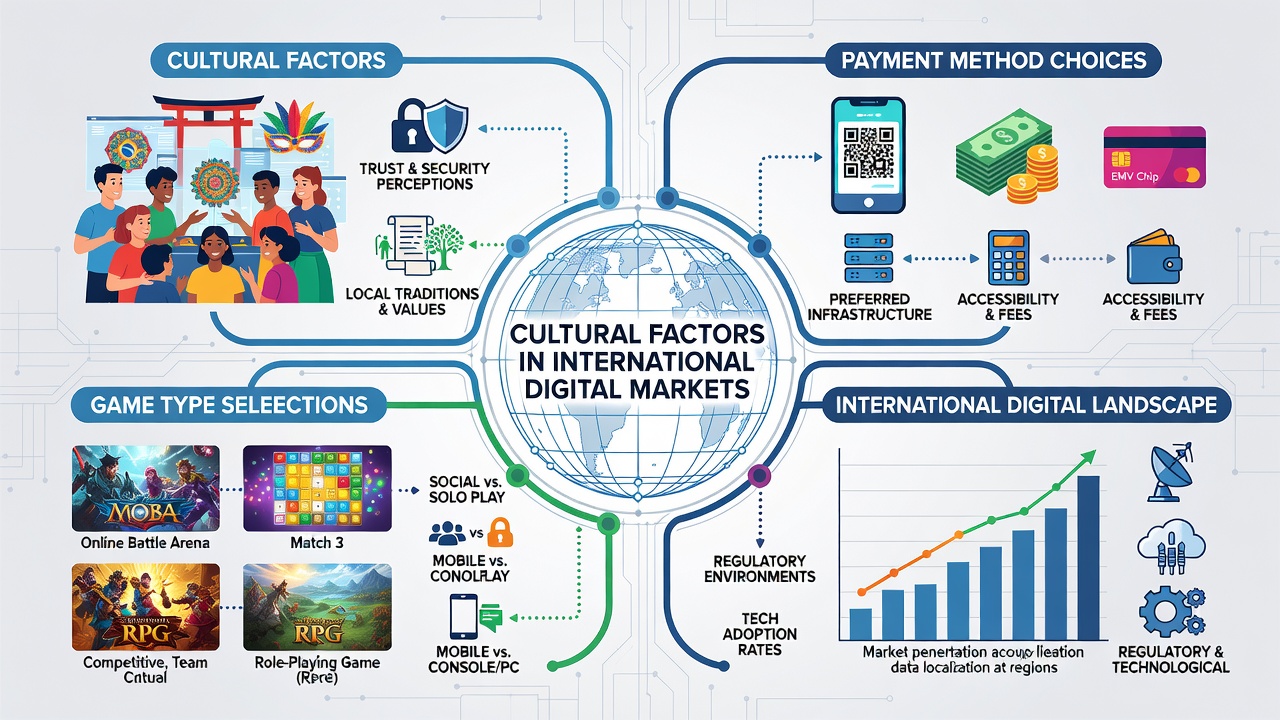
What's interesting is how religious and family-oriented cultures influence avoidance of certain high-stakes table variants, leading instead to progressive slot options that offer longer play sessions with lower per-round commitment. Data shows Middle Eastern and South Asian player bases often cluster around these formats, while North American and Western European groups demonstrate broader distribution across both slots and interactive tables. Reports updated through August 2026 confirm these distributions remain consistent despite platform changes, pointing to durable cultural drivers rather than temporary trends.
Integration of Local Customs with Platform Design
Platform operators respond to these cultural signals by adjusting available options, and successful adaptations appear in markets where local payment gateways integrate seamlessly with preferred game categories. Researchers at the University of Macau have documented how East Asian platforms incorporate region-specific e-wallets alongside culturally resonant game themes, resulting in higher retention when both elements align. Similar approaches in Scandinavian countries combine instant bank transfers with simplified table interfaces that match preferences for transparent, rule-based play.
Yet the connections run deeper than surface features, because language, color symbolism, and even celebration styles within games reflect cultural expectations that affect both payment flow and game selection simultaneously. One study revealed that platforms offering culturally matched bonus structures tied to specific payment methods see increased cross-category exploration, though the effect varies by demographic segment. Those who've examined transaction logs across multiple jurisdictions find recurring clusters where certain payment types correlate with particular game genres regardless of individual player background.
Cross-Border Influences and Emerging Patterns
Global migration and digital connectivity introduce new layers to these cultural factors, allowing players to carry preferences across borders while platforms adapt to blended audiences. Evidence from industry reports indicates hybrid behaviors emerging in multicultural hubs, where users combine home-country payment habits with locally popular game types encountered through international sites. This blending creates opportunities for platforms that track such shifts, though core cultural anchors continue to guide the majority of selections in most regions.
Conclusion
Cultural factors continue to shape payment method choices and game type selections in international digital casinos through established patterns of trust, social norms, and historical context that persist across evolving technologies. Data compiled as of August 2026 shows these influences remain measurable and consistent, providing frameworks that operators use to align offerings with regional expectations. Research from diverse sources including academic institutions and government agencies underscores the value of recognizing these elements when analyzing player behavior across borders.